DIN standards for waterproofing
at a glance
All waterproofing specifications at a glance
Which DIN standard applies where? The waterproofing of buildings is clearly regulated - whether on the roof, basement walls or indoors. To make planning and execution easier, we have compiled a clear overview of the most important DIN standards for waterproofing buildings. A practical guide for tradesmen and planners to quickly find the right specifications and regulations.
The DIN standards for waterproofing buildings
DIN 18195 serves as the overarching terminology standard. The specific requirements for different waterproofing areas are regulated in the DIN 18531 to DIN 18535 series of standards.
Click on the component to find out which standard applies to the waterproofing areas.
Abdichtung von Dächern, Balkonen, Loggien und Laubengängen
Abdichtung von Verkehrsflächen und Beton
Abdichtung von erdberührten Bauteilen
Abdichtung von Innenräumen
Abdichtung von Behältern und Becken
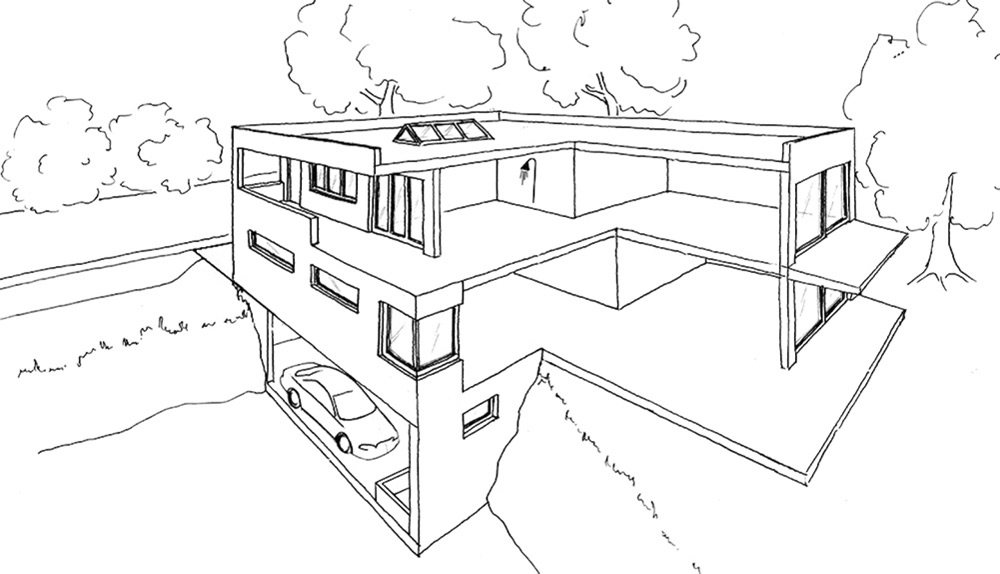





Waterproofing of components in contact with the ground in accordance with DIN 18533
DIN 18533 regulates the waterproofing of basement walls and other components in contact with the ground. It differentiates between three main factors:
Water exposure: What type and intensity of moisture affects the component
Crack classes: Which crack widths changes or crack formations can occur in the substrate
Room use: What requirements are placed on the dryness of the room air (RN1-E to RN3-E)
Water exposure
Within the scope of DIN 18533, the waterproofing layer may be exposed to dripping liquid water of varying intensity as well as ground moisture. The design water level must be determined for the planned building location in order to determine the groundwater impact on the waterproofing layer. This depends not only on the natural weather-related fluctuations in the groundwater level, but also on other water management factors.

Specifications depending on the type of water exposure

Regulations for seals according to crack classes
Impact from the subsurface
The waterproofing layer must be able to bridge the expected changes in crack width or cracking of the substrate. The component to be waterproofed or the waterproofing substrate must be designed and dimensioned in such a way that no cracks occur that are detrimental to the waterproofing layer. The following crack classes must be taken into account when selecting the type of waterproofing or the waterproofing substrate.
Use of space
The waterproofing layer must be able to bridge the expected changes in crack width or cracking of the substrate. The component to be waterproofed or the waterproofing substrate must be designed and dimensioned in such a way that no cracks occur that are detrimental to the waterproofing layer. The following crack classes must be taken into account when selecting the type of waterproofing or the waterproofing substrate.

Requirements for dryness of indoor air in rooms sealed on the ground side
hahne structural waterproofing according to DIN 18533 types of use

Overview of standard requirements and hahne solutions
DIN 18531 Waterproofing of roofs, balconies, loggias and arcades
The balcony as a regulated component
Part 5 of DIN 18531 also regulates the waterproofing of balconies, loggias and arcades. Find out here which regulation applies to your project and which solution we can offer you.

Roof waterproofing regulations
Invitation to tender
In our tendering platform you will find all documents for the waterproofing areas according to DIN 18531 to DIN 18535.